
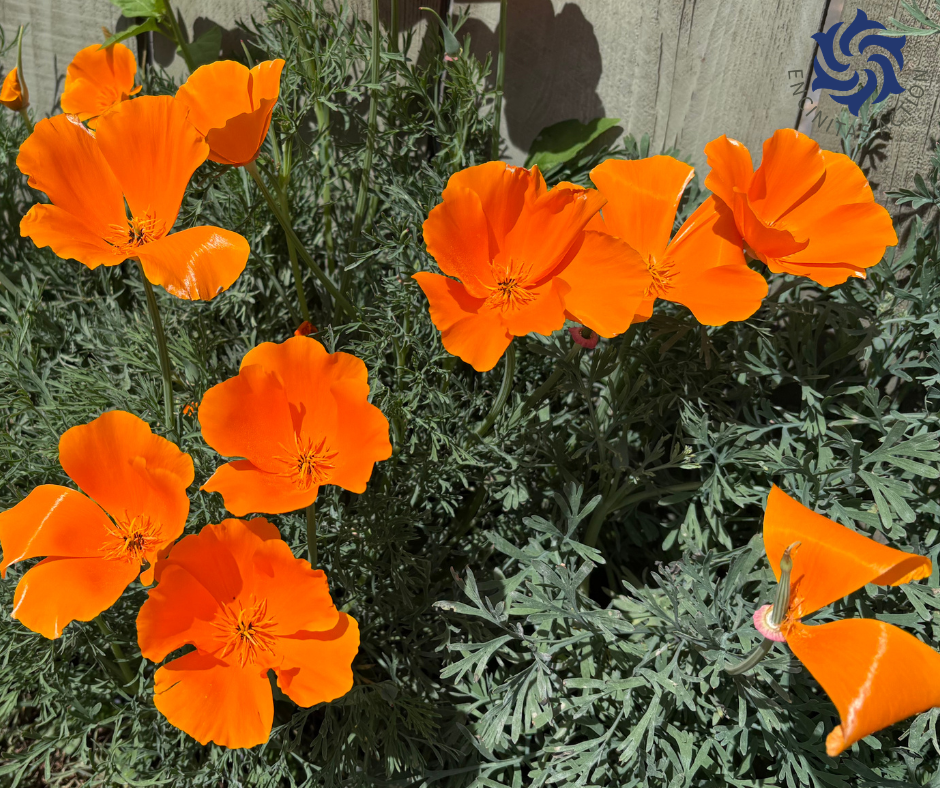
An Encinitas Native Plant Ordinance will gradually reshape how landscaping is handled across the city. The proposal is intended to promote drought-tolerant, native landscaping and to align local planting standards with broader city goals around water conservation, habitat restoration, pollinators, biodiversity, and environmental resilience. (Source: City of Encintas)
This did not appear overnight. The process began on January 25, 2023, when the City Council unanimously adopted Resolution No. 2023-03 to initiate preparation of a native plant ordinance. In 2024, the council directed staff to allocate $150,000 toward a simplified ordinance effort using a consultant, and the city later approved that budget as part of the fiscal year 2024-25 appropriations. Workshops and hearings were held through 2025 and 2026, including a Planning Commission public hearing on February 19, 2026, where the proposal was approved unanimously, 5-0, as a recommendation to the City Council.
So what would the ordinance actually do?
According to the city’s project page, the ordinance would create native plant usage requirements for all new development, including private, commercial, and city development projects. It would also establish rules about the percentage and composition of native plants, planting techniques, soils and ground cover, proximity to natural areas, and replacement standards. The city says the ordinance is meant to work alongside existing requirements involving water efficiency, stormwater, open space, naturally sensitive areas, and fire management.
A recent Coast News report provides one of the clearest practical snapshots of what this could mean on the ground. According to that report, the proposal would require at least 50% of landscaped areas on private project sites to use plants native to Southern California, while city-owned land would be required to use native species in all landscaped areas. The same report says the ordinance would rely on the Calscape database, maintained by the California Native Plant Society, rather than creating a new city-generated plant list from scratch.
For many residents, the biggest question is whether existing homeowners would be forced to tear out their current yards. The main regulatory focus is on new development, not an immediate citywide requirement for existing homes to replace existing landscaping. At the same time, the city says it wants to pair the ordinance with incentive programs that would encourage existing residential and commercial properties to re-landscape over time into conformance with the ordinance. Public engagement materials also describe an education campaign for homeowners and demonstration gardens in city parks.
The proposal also appears to be broader than a simple percentage requirement. Public materials describe a framework with Native Zones, Combined Zones, and Landscape Incentive Zones. According to those materials, Native Zones would focus on preservation, restoration, and invasive species control. Combined Zones would allow a mix of native and non-native plants near those areas. Landscape Incentive Zones would encourage more native planting through incentives.
Why does this matter?
This is not just about gardening preferences. If adopted, the ordinance would influence the design of future private development, city landscaping standards, and the city’s longer-term approach to ecology and water use. It reflects a policy choice about what Encinitas wants landscaped space to do: look attractive, yes, but also function as habitat, support pollinators, reduce water demand, and connect more directly to the region’s native ecology.
What residents should watch for
Residents following this issue may want to pay attention to a few practical questions: how strict the final planting requirements are, whether single-family homeowners might participate through incentives (if those are offered), how the city defines qualifying native species, how the rules interact with fire safety and maintenance concerns, and whether the ordinance leaves room for flexibility in different landscape conditions across Encinitas. Based on the city’s own materials, those implementation details matter just as much as the ordinance’s broad environmental goals.
Sources
SWCA Virtual Public Engagement, City of Encinitas Native Plant Ordinance materials.
City of Encinitas, Native Plant Ordinance project page.
City of Encinitas, Development Services Public Notices.
The Coast News, “Encinitas advances native plant, manufactured home ordinances,” March 3, 2026.